Maximize Comfort on Your Hikes with These Bag Recommendations

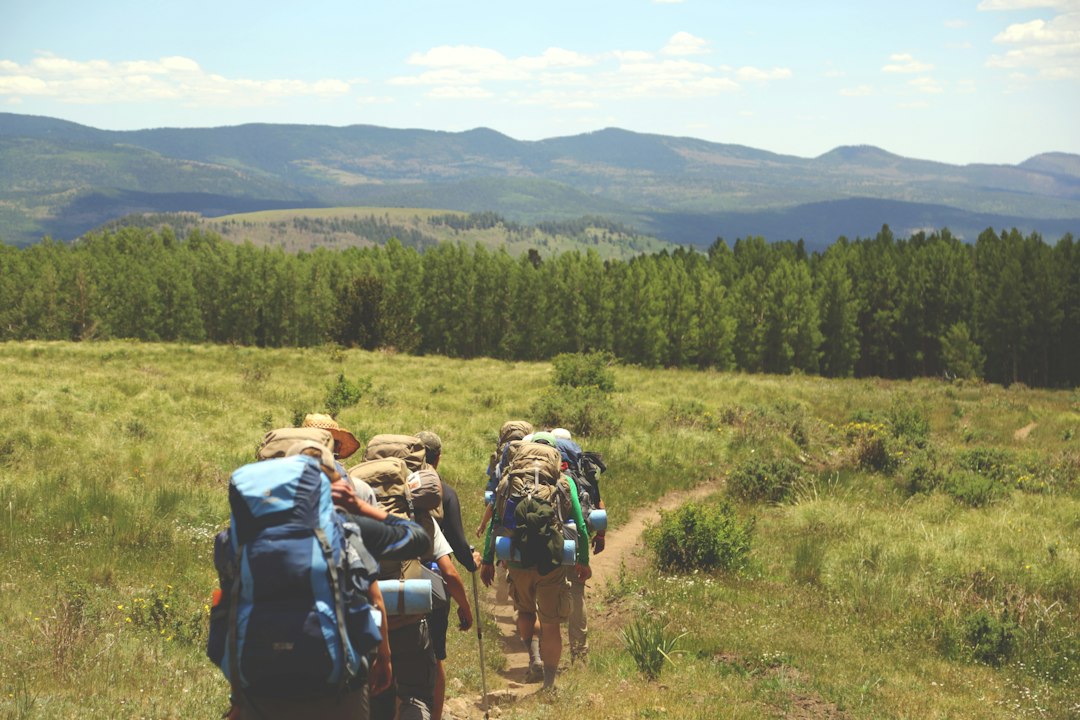
Choosing the right hiking bag can make or break your outdoor experience. With so many options available, it’s essential to understand what features matter most for your specific needs. Whether you’re planning a day hike or a multi-day trek, the right bag will ensure you carry your essentials comfortably and efficiently.
Before diving into the specifics of hiking bags, take a moment to assess your hiking style and needs. Are you a casual day hiker, or do you prefer extended backpacking trips? Knowing your hiking habits will help you narrow down the type of bag that suits you best. For instance, day hikers typically require smaller, lighter bags, while backpackers need larger, more robust options to accommodate extra gear.
Consider the types of terrain you’ll be exploring as well. If you often hike in rugged areas, look for bags with reinforced materials and additional support features. Understanding your hiking needs is the first step in selecting a bag that will enhance your outdoor adventures.
When evaluating hiking bags, several key features should be at the forefront of your decision-making process. First, consider the bag’s capacity, usually measured in liters. A day pack typically ranges from 15 to 30 liters, while multi-day packs can go from 40 liters and up. Choose a size that allows you to carry all necessary gear without being overly bulky.
Next, pay attention to the bag’s fit and comfort. Look for adjustable straps, padded shoulder harnesses, and hip belts that distribute weight evenly. A well-fitted bag will reduce strain on your back and shoulders, allowing you to hike longer distances with ease. Additionally, consider the bag’s ventilation features, especially if you plan to hike in warmer climates.
The material of your hiking bag plays a crucial role in its durability and performance. Look for bags made from high-denier nylon or polyester, as these materials are both lightweight and resistant to wear and tear. Water-resistant or waterproof materials are also beneficial, especially if you anticipate encountering rain or wet conditions during your hikes.
Furthermore, consider the stitching and zippers of the bag. Reinforced seams and high-quality zippers will enhance the bag’s longevity and functionality. Investing in a durable bag will save you money in the long run, as you won’t need to replace it frequently due to wear and tear.
Effective organization is key to a successful hiking experience. Look for bags that offer multiple compartments and pockets, allowing you to separate your gear for easy access. A designated hydration pocket is also a great feature, as it keeps your water supply easily accessible without rummaging through your bag.
Additionally, consider how easy it is to access your gear while on the move. Some bags come with side pockets or front-loading designs that allow you to grab items without taking off the bag. This can be particularly useful for snacks, maps, or other essentials you may need during your hike.
Step 1: Assess your hiking style and needs to determine the type of bag required. Step 2: Identify key features such as capacity, fit, and comfort that are essential for your hikes. Step 3: Choose a durable material that can withstand the conditions you’ll encounter. Step 4: Look for organizational features that allow easy access to your gear while on the trail.
We know how important comfort and functionality are on the trail. Our hiking bags are designed with you in mind, every step of the way.