Maximize Comfort on Your Hikes with These Bag Recommendations
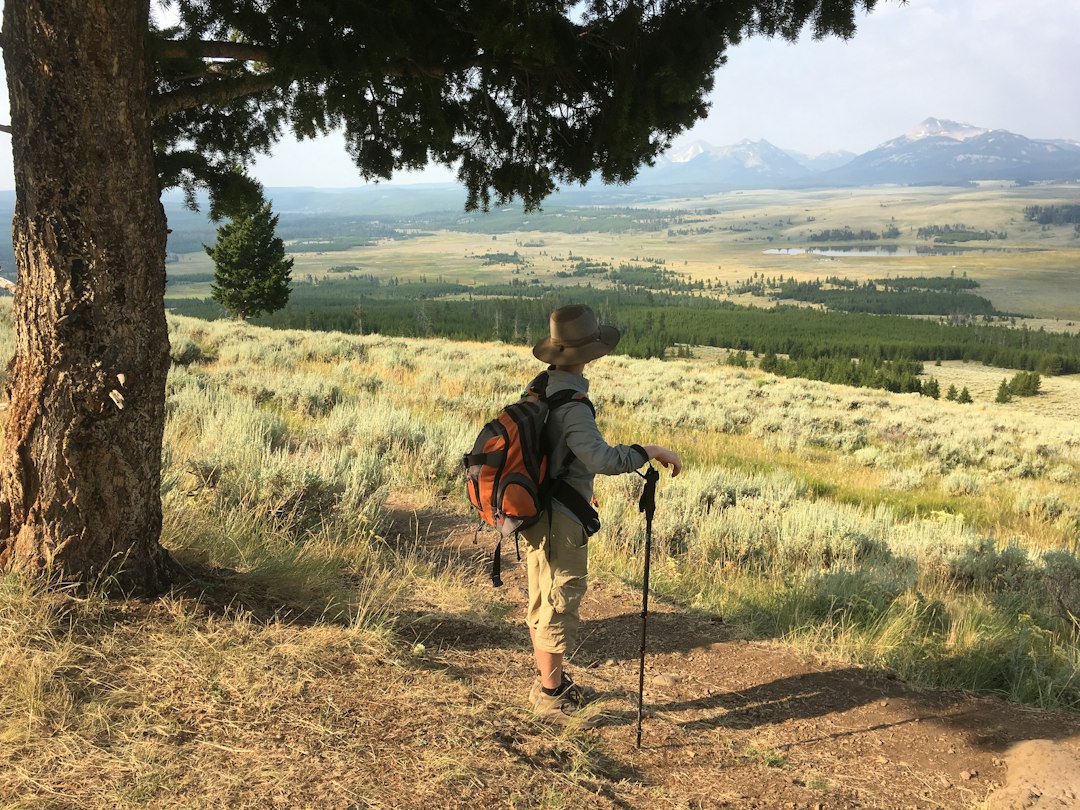
When it comes to hiking, selecting the right bag can significantly enhance your experience on the trails. TrailblazeBags.com offers a diverse range of hiking bags, catering to both day hikers and those embarking on multi-day adventures. Understanding the differences between daypacks and multi-day packs is crucial for making an informed decision that aligns with your hiking goals and needs.
Daypacks are designed for short excursions, typically lasting a few hours to a full day. These bags usually have a capacity ranging from 15 to 30 liters, making them lightweight and easy to carry. They are ideal for carrying essentials such as water, snacks, a first-aid kit, and a light jacket. The compact design allows for quick access to your gear, which is essential when you’re on the move.
Recent market trends indicate that the demand for daypacks has surged, with a reported increase of 25% in sales over the past two years. This growth can be attributed to the rising popularity of outdoor activities and the increasing number of people seeking quick getaways into nature. Key Insight: As more individuals prioritize health and wellness, the demand for daypacks is likely to continue its upward trajectory, making them a staple in the hiking community.
Multi-day packs, on the other hand, are built for longer excursions that require more gear and supplies. These packs typically range from 40 to 70 liters in capacity, allowing hikers to carry everything they need for several days in the wilderness. They often feature additional compartments for organization, hydration reservoirs, and more robust suspension systems for comfort during extended wear.
The multi-day pack market has also seen significant growth, with a 30% increase in sales reported recently. This trend reflects a shift in consumer behavior, where more outdoor enthusiasts are opting for longer trips that allow them to explore remote areas. As people seek to disconnect from their daily routines, the appeal of multi-day hiking adventures continues to rise.
When choosing between a daypack and a multi-day pack, several key features should be considered. For daypacks, look for lightweight materials, comfortable straps, and adequate ventilation to keep you cool during your hike. Many daypacks also come with external attachment points for trekking poles or sleeping bags, enhancing their versatility.
For multi-day packs, prioritize features such as adjustable harness systems, ample storage pockets, and weather-resistant materials. A good multi-day pack should also have a hip belt to distribute weight evenly, reducing strain on your back during long treks. Understanding these features can help you select a bag that meets your specific hiking needs.
Pricing for hiking bags can vary significantly based on brand, features, and materials. Daypacks generally range from $50 to $150, making them an accessible option for casual hikers. In contrast, multi-day packs can range from $150 to over $500, depending on the quality and technology incorporated into the design.
Investing in a high-quality pack is essential for ensuring comfort and durability on the trails. While it may be tempting to opt for cheaper options, a well-constructed pack can last for years and enhance your overall hiking experience. Consider your budget carefully and weigh the long-term benefits of investing in a reliable hiking bag.
Ultimately, the choice between a daypack and a multi-day pack depends on your hiking style and the types of adventures you plan to undertake. If you enjoy spontaneous day hikes and prefer to travel light, a daypack is likely the best fit for you. However, if you’re looking to embark on longer journeys into the wilderness, investing in a multi-day pack will provide the necessary support and storage.
TrailblazeBags.com offers a wide selection of both daypacks and multi-day packs, ensuring that every hiker can find the perfect bag for their needs. By understanding the differences and considering your personal hiking habits, you can confidently choose the right pack to trailblaze your way through the great outdoors.
We know how important comfort and functionality are on the trail. Our hiking bags are designed with you in mind, every step of the way.